



 English
 بالعربية
 Deutsch
 Français
 Bahasa Indonesia
 Italiano
 日本語
 қазақ
 한국어
 Bahasa Malay
 Монгол
 Nederlands
 Język polski
 Português
 Русский язык
 Español
 ภาษาไทย
 Türkçe
1. Why Is the Sand Making Machine Hammer Important?
A sand making machine hammer is one of the key wear components in sand and aggregate production. It directly affects crushing performance, equipment efficiency and maintenance frequency.
During operation, the hammer is exposed to continuous impact and abrasive wear. When processing hard materials such as granite and basalt, its working surface gradually wears down. Excessive wear can affect crushing efficiency, product quality and equipment stability.
Choosing the right sand making machine wear-resistant hammer helps reduce replacement frequency, equipment downtime and overall operating costs.
2. Common Materials for Sand Making Machine Hammers
Material selection depends on the feed material, impact intensity and operating conditions. Common options include:
Ferro fundido com alto teor de cromo
High chromium cast iron offers good abrasion resistance and is often considered for applications involving highly abrasive materials. However, its impact toughness needs to be considered when processing oversized or particularly hard feed materials.
Aço alto de manganês
High manganese steel combines toughness with work-hardening properties. It can be suitable for applications involving strong impact, where repeated loading helps harden the working surface.
Composite Wear-Resistant Materials
Some hammer designs use ceramic reinforcement in selected wear zones to improve abrasion resistance. The actual performance depends on the composite structure, bonding quality and operating conditions.
There is no single material suitable for every application. The best choice should be based on the customer's equipment and working environment.
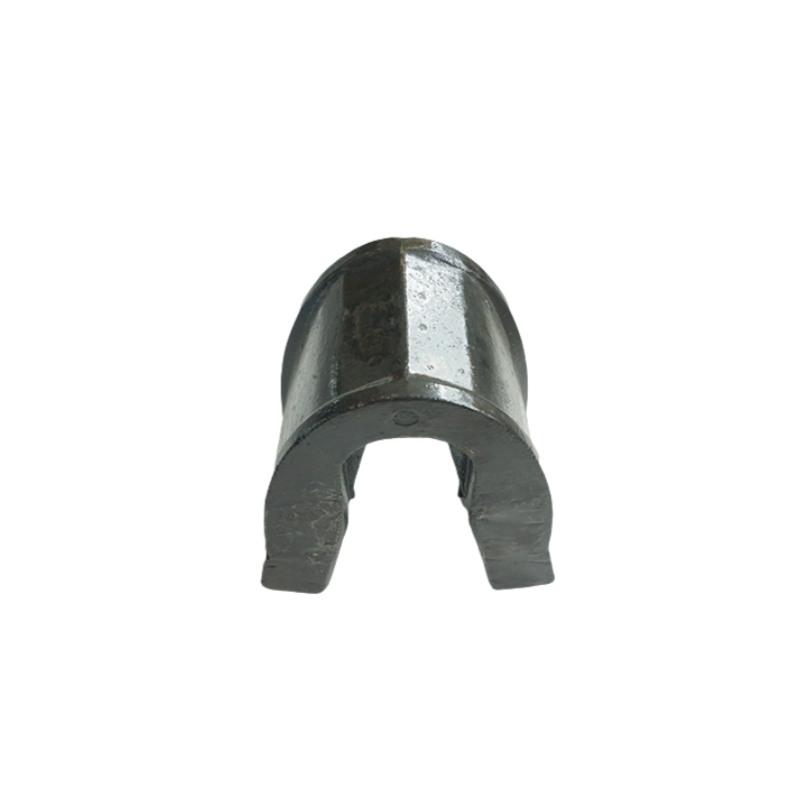
3. What Affects Sand Making Machine Hammer Wear?
Several factors influence the service life of a sand making machine hammer:
Rock hardness and abrasiveness: Granite, basalt and other hard rocks can accelerate surface wear.
Feed size: Oversized material may increase impact loads and cause premature damage.
Operating conditions: Rotor speed and feeding stability affect impact forces and wear distribution.
Hammer design: Shape, thickness, mounting structure and weight consistency influence operating performance.
Casting quality: Material composition, heat treatment and internal casting quality affect durability and reliability.
Understanding these factors helps identify whether premature wear is caused by material selection, product design or operating conditions.
4. How to Choose the Right Sand Making Machine Hammer
Before purchasing a sand making machine hammer, buyers should check several important details.
Equipment model and dimensions: Confirm the machine brand, model, part number and installation dimensions. Drawings or original samples are helpful.
Material requirements: Provide information about the processed rock, feed size and current hammer material so the supplier can recommend a suitable alloy.
Wear performance: Compare actual service life, production volume and replacement frequency rather than focusing only on the purchase price.
Manufacturing quality: Check the supplier's casting process, heat treatment, chemical composition inspection and dimensional control.
These factors are particularly important when comparing different sand making machine wear-resistant hammer suppliers.
5. How to Reduce Hammer Wear and Maintenance Costs
Proper operation and regular inspection can help extend hammer service life.
Keep feeding stable and avoid sudden material surges.
Control feed size within the equipment manufacturer's recommendations.
Inspect hammer wear and mounting conditions regularly.
Check rotor balance when replacing hammers.
Investigate uneven wear, cracking or premature breakage instead of simply replacing the component.
The actual replacement interval depends on material characteristics, machine configuration and operating conditions.
6. Haitian Casting Sand Making Machine Hammers
Haitian Casting manufactures sand making machine hammers and other wear-resistant castings for mining and aggregate applications.
Available material options include high chromium cast iron, manganese steel and composite materials. Production processes include resin sand casting, lost foam casting and DISA automated molding, selected according to product structure and production requirements.
For customized products, customers can provide equipment drawings, original samples or used hammer specifications for evaluation.
Explore our Sand Making Machine Hammer products and the complete range of Peças para máquinas de fazer areia.
You may also find our guide to Sand Making Machine Hammer Manufacturers useful when evaluating suppliers.
7. Frequently Asked Questions
What is the best material for a sand making machine hammer?
High chromium cast iron is often considered for abrasive conditions, while high manganese steel may be suitable for applications with strong impact. The right choice depends on actual operating conditions.
How can I extend sand making machine hammer service life?
Choose suitable materials, maintain stable feeding, control feed size and inspect hammer wear regularly.
Can sand making machine hammers be customized?
Yes. Manufacturers can evaluate equipment models, drawings and original samples to produce hammers with suitable dimensions and material specifications.
What should I provide when requesting a quotation?
Provide the equipment model, hammer drawing or sample, required quantity, processed material and current wear problems.

 Marque Falar


