


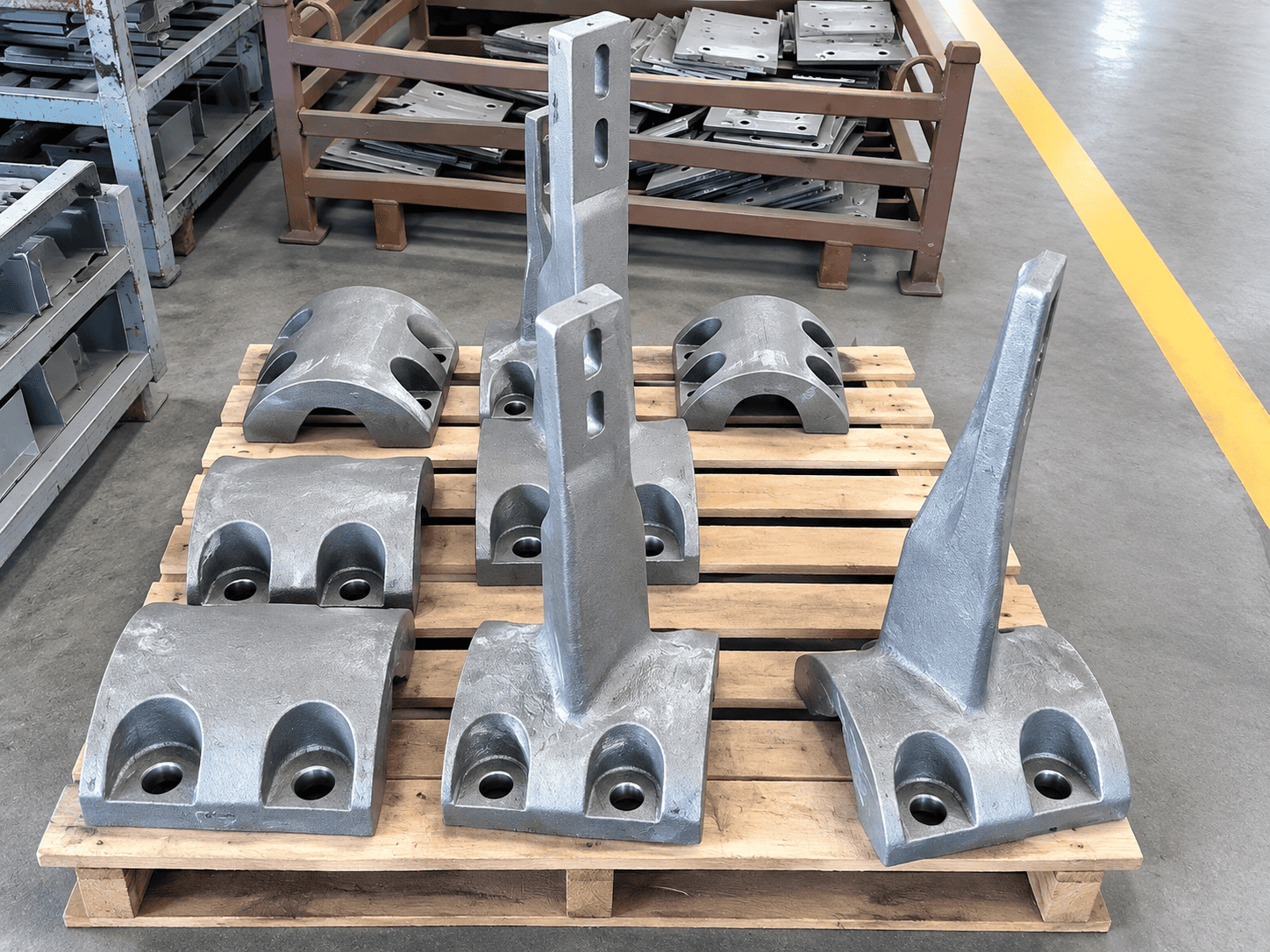
In a concrete batching plant, consistent mixing is essential for maintaining concrete quality and stable production. The mixing process depends not only on the mixer drive system and operating parameters but also on the condition and arrangement of internal mixing components. Among these components, the concrete mixer mixing arm plays an important role by connecting the mixing shaft with the blades or scrapers and transmitting the force required to move materials inside the mixing chamber.The design, installation position, and wear condition of mixing arms can influence material movement and t
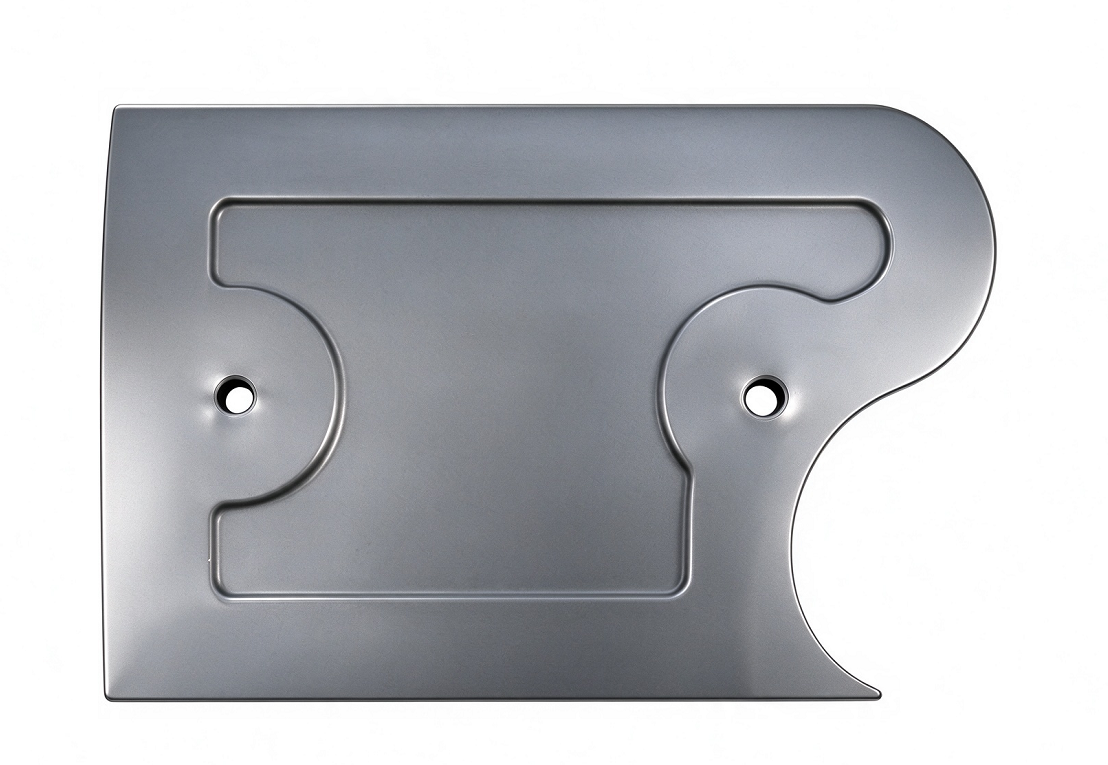
Asphalt mixing plant liner plates play an important role in protecting the mixing chamber from continuous impact and abrasion. During asphalt production, aggregates, mineral materials and hot asphalt mixtures repeatedly contact the internal surfaces of the mixing equipment. Over time, this can cause liner wear, affect mixing performance and increase maintenance requirements.Choosing the right asphalt mixing plant lining plate helps protect critical equipment surfaces, maintain stable mixing operations and reduce unnecessary downtime. Material selection, operating conditions, liner design and m
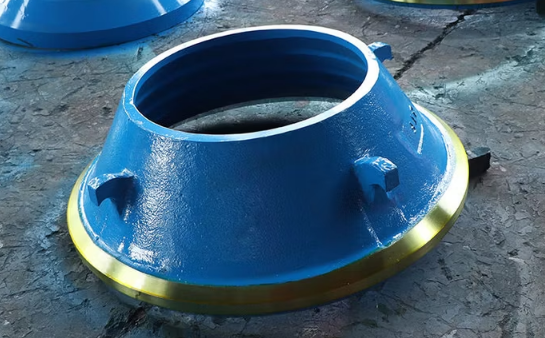
A gyratory crusher operates under demanding conditions in mining and large-scale aggregate production. Large volumes of rock are continuously fed into the crushing chamber, where compressive forces break the material into smaller sizes. During operation, the mantle and concave liners are exposed to repeated impact, high contact pressure and abrasive wear. Over time, liner wear can affect crushing efficiency, product size distribution, maintenance frequency and overall operating costs.For mine operators and maintenance teams, selecting gyratory crusher wear parts is not simply a matter of repla
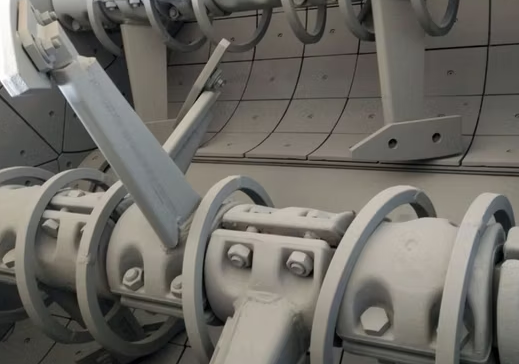
An asphalt mixing plant operates under demanding conditions. Aggregates, mineral filler and asphalt materials are continuously mixed at high temperatures, while the internal components are exposed to impact, abrasion and thermal stress. Over time, wear on mixing arms, blades and lining plates can affect mixing quality, increase maintenance frequency and raise operating costs.For plant operators, choosing the right wear parts is not simply a replacement task. The material, geometry, installation and maintenance condition of each component can directly influence the performance and service life
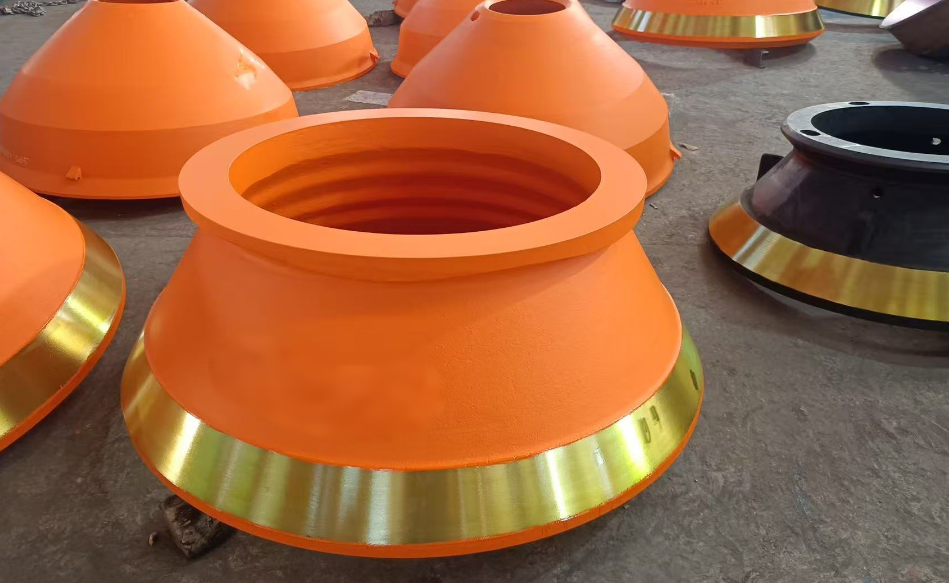
Learn how manganese steel cone crusher liners, casting quality, and proper material selection help extend wear life, reduce replacement frequency, and minimize downtime.
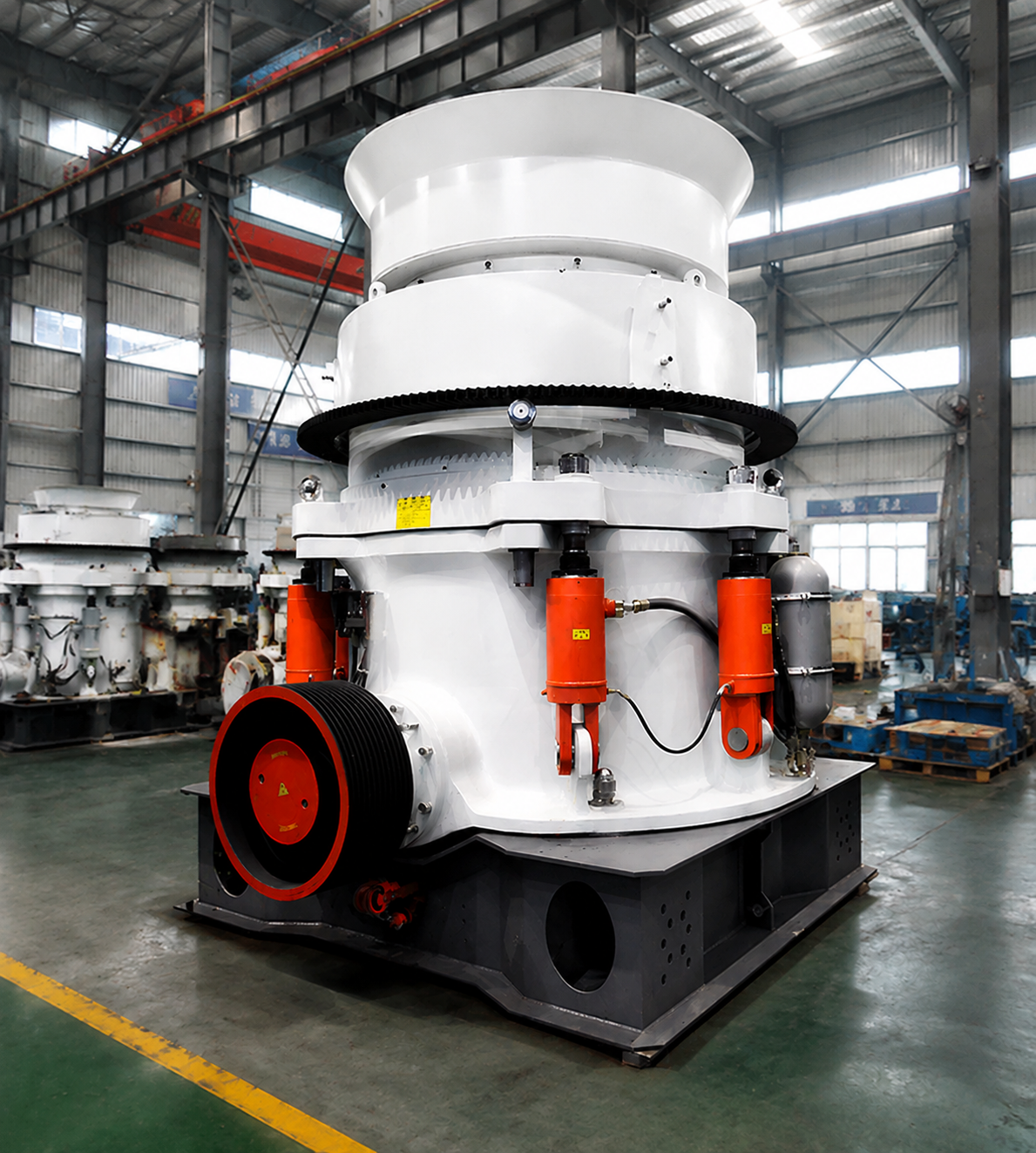
Cone crushers operate under some of the most demanding conditions in mining, quarrying, and aggregate production. Every hour of operation exposes the crushing chamber to high compressive forces, impact loads, and abrasive materials. For this reason, the quality and selection of cone crusher parts can have a direct impact on production stability, wear life, maintenance frequency, and cost per ton.From the mantle and bowl liner to the eccentric assembly and frame protection components, each part has a specific role. However, wear parts deserve particular attention because they directly interact
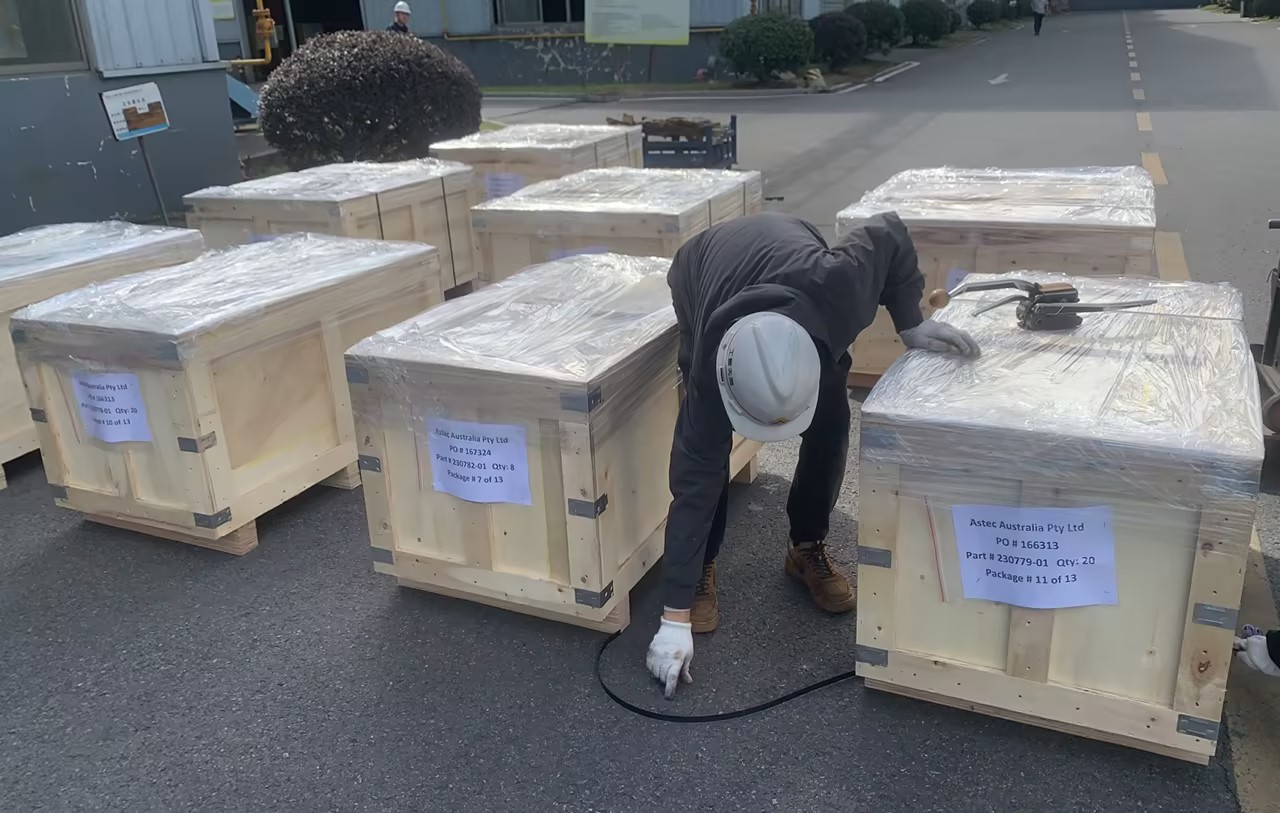
A mixing arm may be a relatively small part of a concrete mixer, but it has a demanding job. It transfers torque from the mixing shaft to the blades while helping keep aggregates, cement, water, and other materials moving through the mixing chamber.During every mixing cycle, the arm is exposed to abrasive materials, repeated impact, vibration, and mechanical stress. In some applications, especially where elevated temperatures or repeated thermal cycling are involved, the mixing arm must also maintain mechanical strength and dimensional stability under heat exposure.As a manufacturer of concret
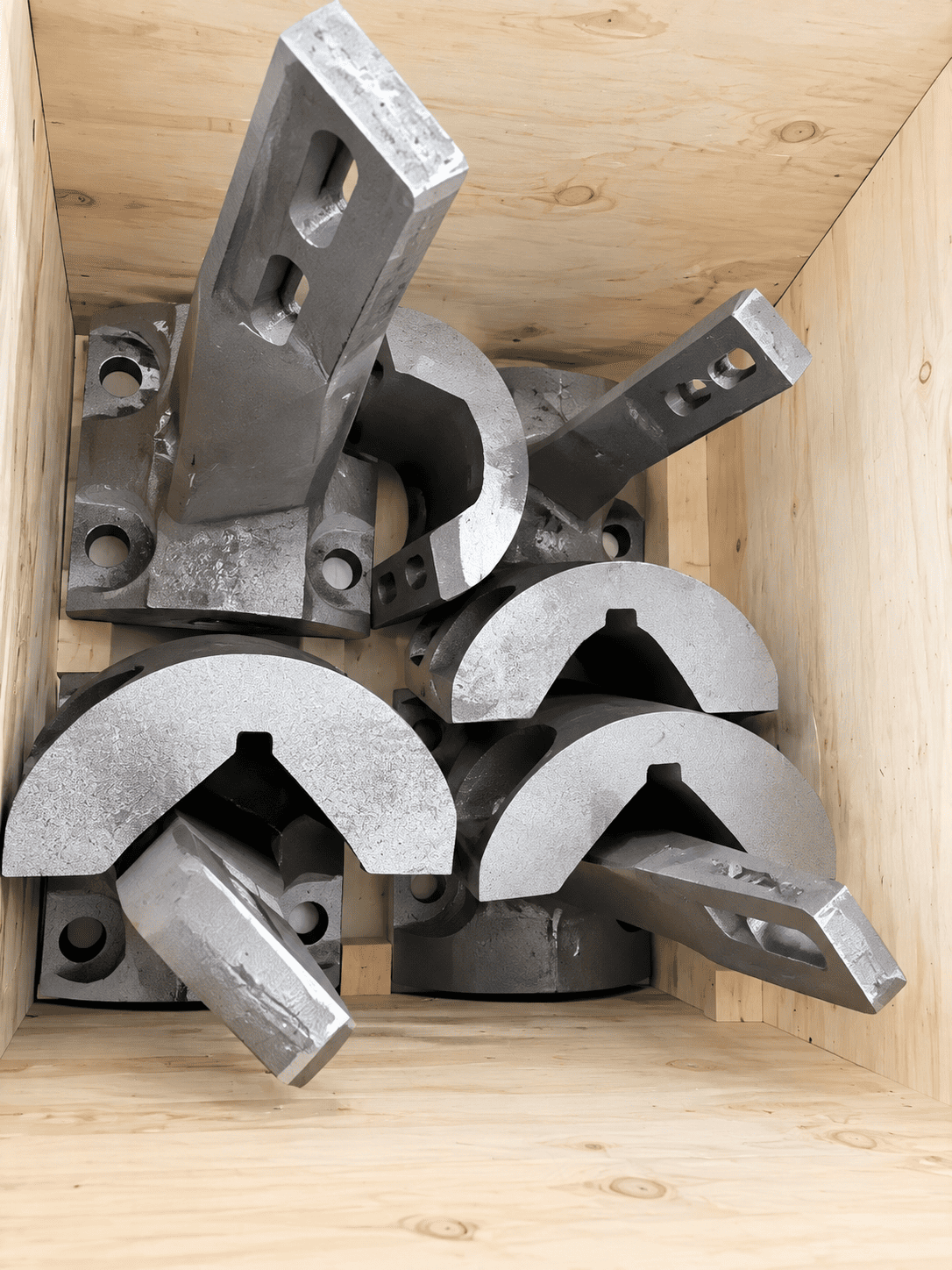
An asphalt mixing plant mixing arm works continuously inside the mixer, carrying repeated loads as it moves materials with the mixing blades. Over time, wear, deformation, or connection damage can affect the way the mixing system operates. Recognizing these signs early helps prevent avoidable damage and makes replacement planning more straightforward.Why Does an Asphalt Mixing Plant Mixing Arm Wear?The mixing arm is mounted on the mixing shaft and works with the mixing blades to move and mix stone, asphalt, mineral powder, and other raw materials. Because it operates continuously, the arm
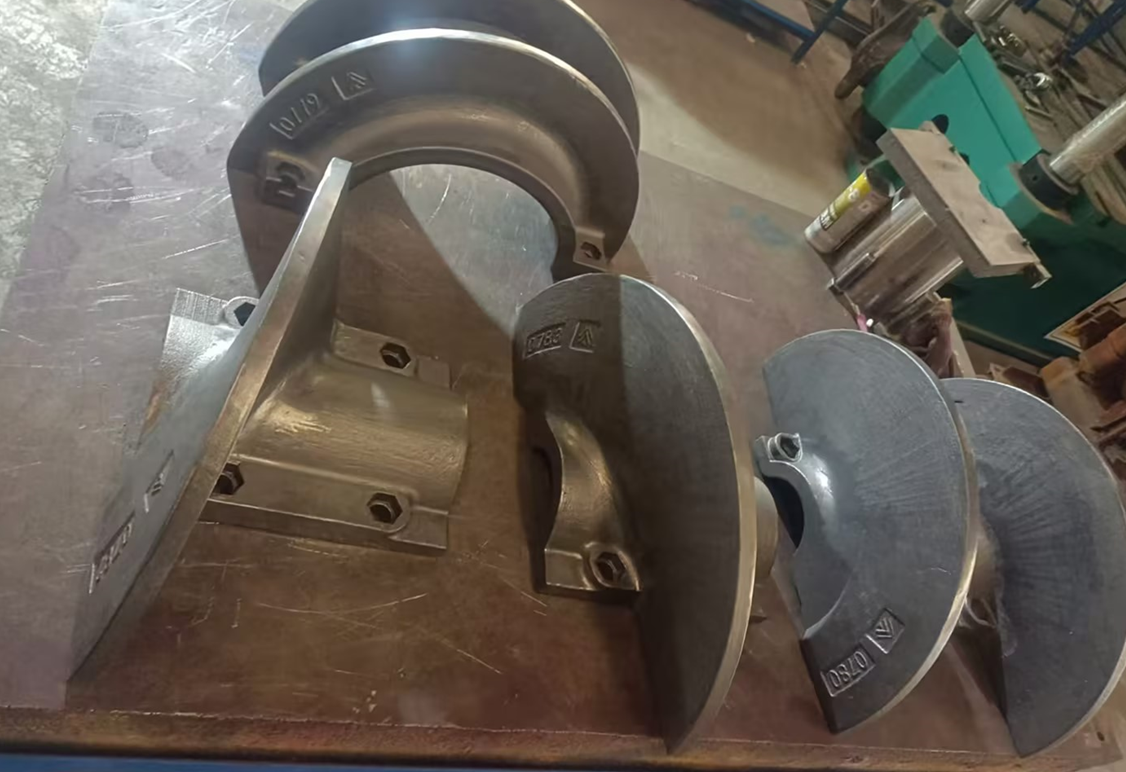
Hard and abrasive aggregate can quickly increase wear on an asphalt mixing plant blade, especially when the equipment operates continuously under high-temperature and high-load conditions. The right blade needs to maintain its working profile while handling abrasion, impact, and repeated material movement. For this reason, blade material, design, dimensional accuracy, and actual operating conditions all need to be considered together.When we select an asphalt mixing plant wear part for a demanding application, we focus first on how the component will be used. Asphalt mixing involves abrasive a
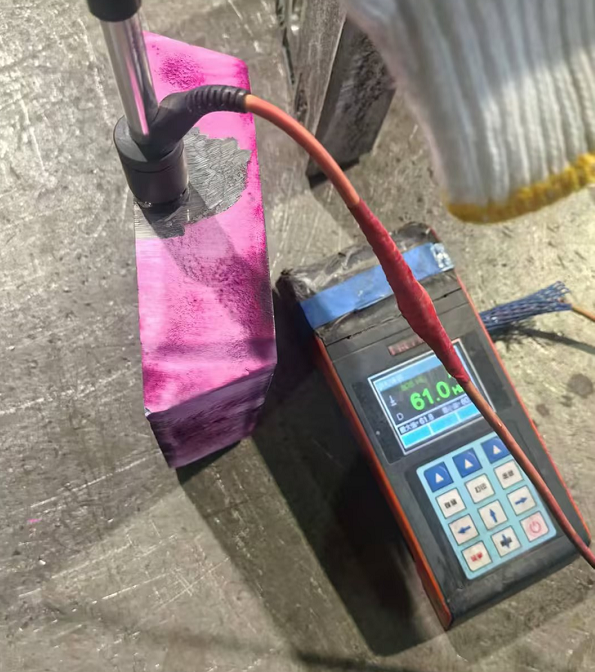
Long-term customer relationships are built on more than product delivery. They also depend on continuous communication about manufacturing processes, quality standards, and technical requirements. Recently, an engineer from one of Haitian Casting’s long-standing Japanese customers visited our facility to inspect concrete mixer arms, participate in ultrasonic testing, and discuss product quality. The visit reflected the continued cooperation between the two companies in wear-resistant castings and their shared focus on product verification and technical details.Concrete mixer arms are critical

 tictac hablar
COPYRIGHT© 2024 Ma'anshan Haitian Heavy Industry Technology Development Co., Ltd. Todos los derechos reservados.
Diseñado por



 English
 بالعربية
 Deutsch
 Français
 Bahasa Indonesia
 Italiano
 日本語
 қазақ
 한국어
 Bahasa Malay
 Монгол
 Nederlands
 Język polski
 Português
 Русский язык
 Español
 ภาษาไทย
 Türkçe


