



 English
 بالعربية
 Deutsch
 Français
 Bahasa Indonesia
 Italiano
 日本語
日本語 қазақ
қазақ 한국어
한국어 Bahasa Malay
 Монгол
 Nederlands
 Język polski
 Português
 Русский язык
 Español
 ภาษาไทย
 Türkçe
Solving High-Load Continuous Operation Challenges: Custom Grinding Ball Case for Vertical Grinding Mills
Project Overview
A domestic industrial customer operates an EM80-5115 vertical grinding mill in its production line for continuous material grinding. Due to long-term high-load and non-stop operation, the customer placed exceptionally high requirements on the grinding components—particularly the grinding balls, which play a critical role in system stability and product consistency.
During previous operation, the existing grinding balls showed several performance limitations, including insufficient geometric stability, uneven wear, and limited resistance to foreign object impact. These issues negatively affected operational safety, grinding efficiency, and product quality consistency.
As a result, the customer commissioned us to develop a high-reliability, high-consistency customized grinding ball solution specifically designed for the EM80-5115 vertical grinding mill.
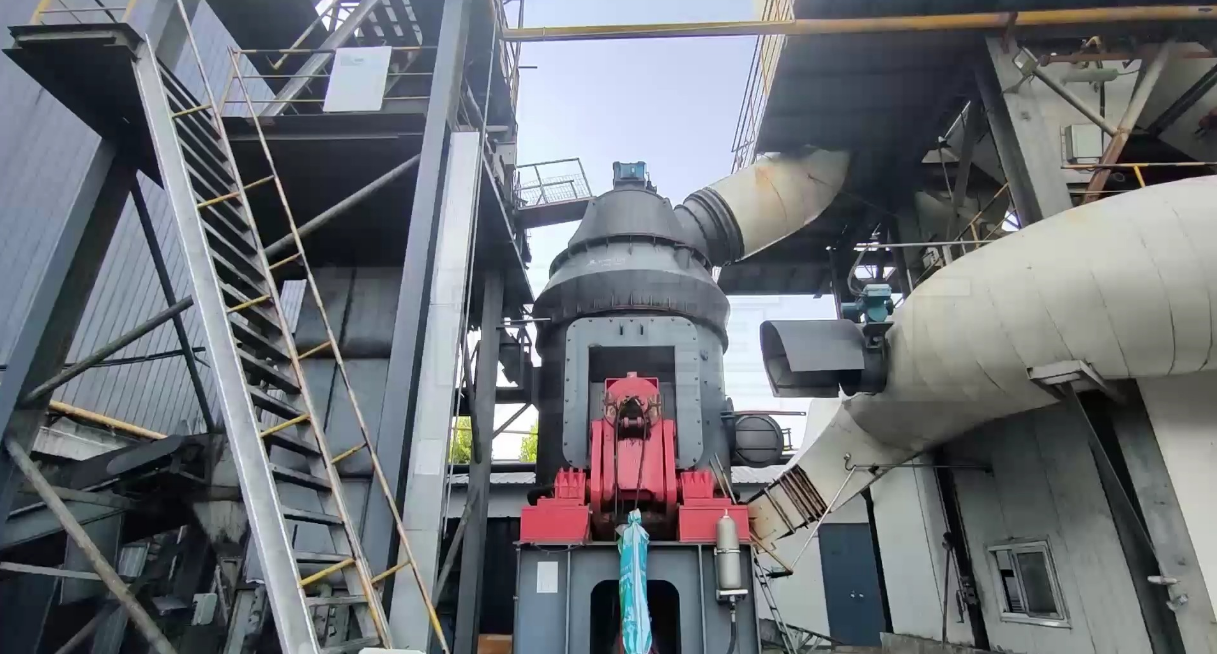
Application Challenges in High-Load Vertical Grinding Mills
Long-term continuous operation under heavy load
High demand for geometric accuracy and structural safety
Uneven wear causing system imbalance
Risk of damage from unexpected foreign materials
Requirement for stable grinding efficiency and consistent particle size
Customized Grinding Ball Solution Design
Overall Geometric Accuracy Control
Instead of focusing only on local radius tolerances, our solution emphasizes overall geometric accuracy, which is more suitable for large hollow grinding balls operating under heavy loads.
Grinding ball concentricity: ±2 mm
Outer sphere roundness: ±2 mm
Inner cavity roundness: ±2 mm
This approach ensures uniform load distribution during rotation, significantly reducing stress concentration and improving long-term operational stability.
Hollow Structure and Process Hole Optimization
Hollow spherical grinding ball design
Five uniformly distributed process holes
Stress-relieved and structurally verified hole positions
This design:
Enhances vibration absorption during foreign object impact
Prevents stress concentration around hole areas
Improves overall structural safety for continuous operation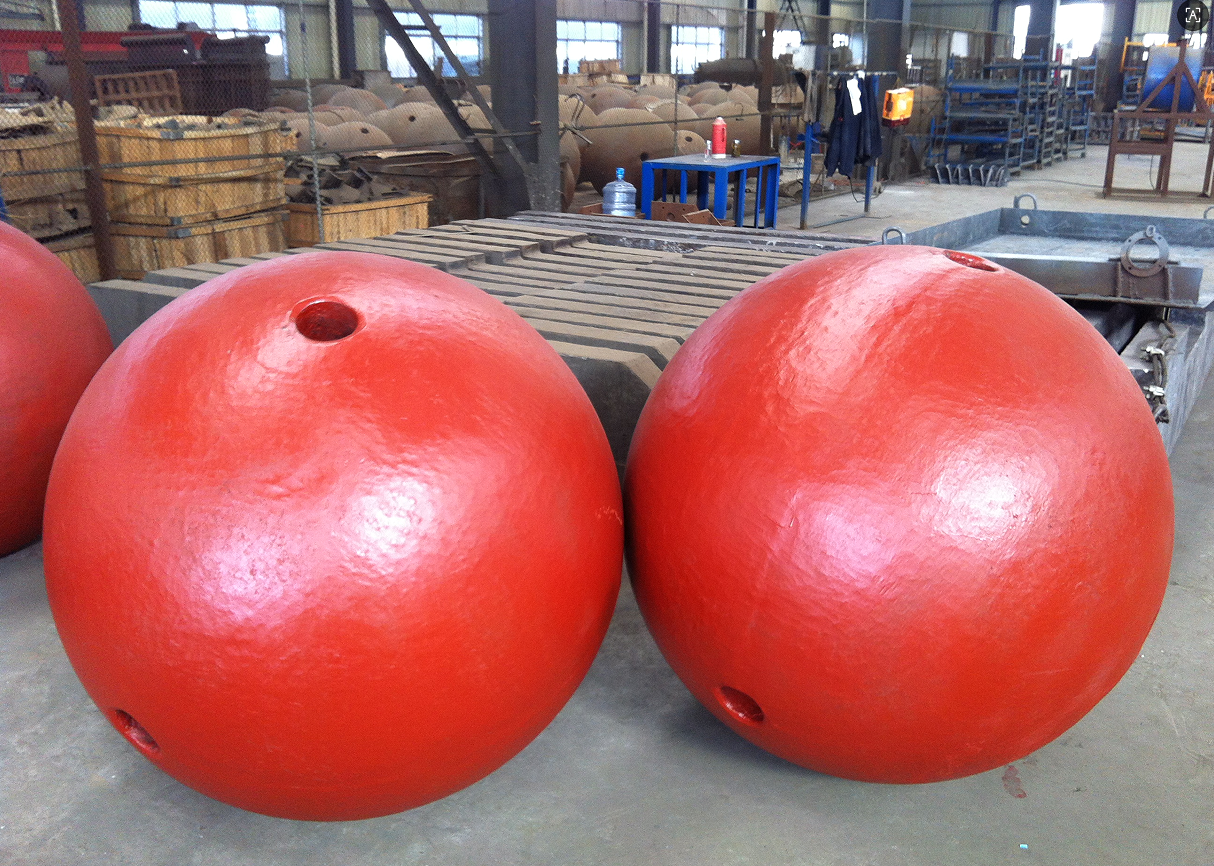
Grinding Ball Technical Parameters Comparison

Grinding Ball Material Composition and Design Philosophy
Chemical Composition (wt.%)

Instead of pursuing excessively high initial hardness, we adopted a Cr–Ni–Mo alloy system with moderate base hardness and excellent work-hardening characteristics.
* Base hardness: HRC 35–42
* Work-hardened surface layer: HRC 48–55
* mproved toughness and crack resistance
* Enhanced safety for thick-section hollow grinding balls
Operating Performance and Test Results
Grinding Conditions
Material: Calcined petroleum coke
Feed size: 0–6 mm
Bulk density: 0.65–0.75 t/m³
Grindability (HGI): 37–42
Moisture: ≤0.5%
Performance Results
Stable throughput: 20 t/h
<0.075 mm particle content: 65 ±5%
Grinding fineness meets DIN 52098
Moisture meets DIN 51718
Noise level ≤ 85 dB(A) at 1 m (DIN 45635)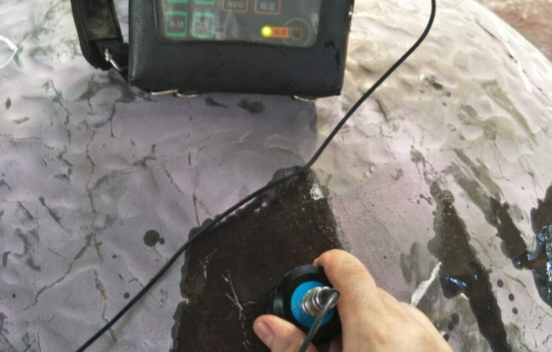
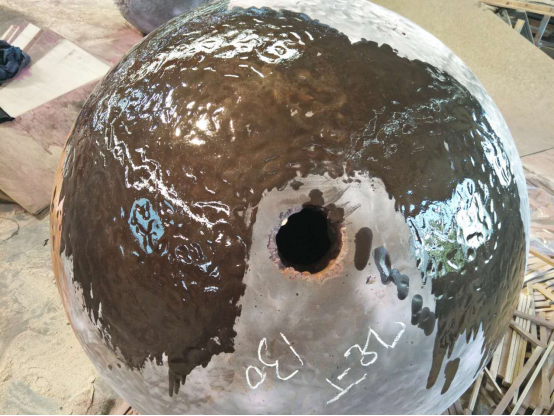
Service Life, Safety and Maintenance-Free Performance
Capable of crushing foreign objects without shutdown
Vibration absorbed by spring frame system
No cracking, breakage, or spalling down to Ø ≤950 mm
No damage to other grinding components
Uniform wear across all grinding balls
Throughout the entire service life, the grinding balls require no maintenance and no adjustment, enabling truly maintenance-free operation.
Project Conclusion
This customized grinding ball solution successfully enabled:
Long-term stable operation of the EM80-5115 vertical grinding mill
Improved grinding efficiency and product consistency
Extended grinding ball service life
Reduced overall operating and maintenance costs
The project demonstrates our strong capabilities in custom grinding ball design, material engineering, and large-scale vertical mill applications.

 Tik Tok


