


 English
 بالعربية
 Deutsch
 Français
 Bahasa Indonesia
 Italiano
 日本語
 қазақ
 한국어
 Bahasa Malay
 Монгол
 Nederlands
 Język polski
 Português
 Русский язык
 Español
 ภาษาไทย
 Türkçe
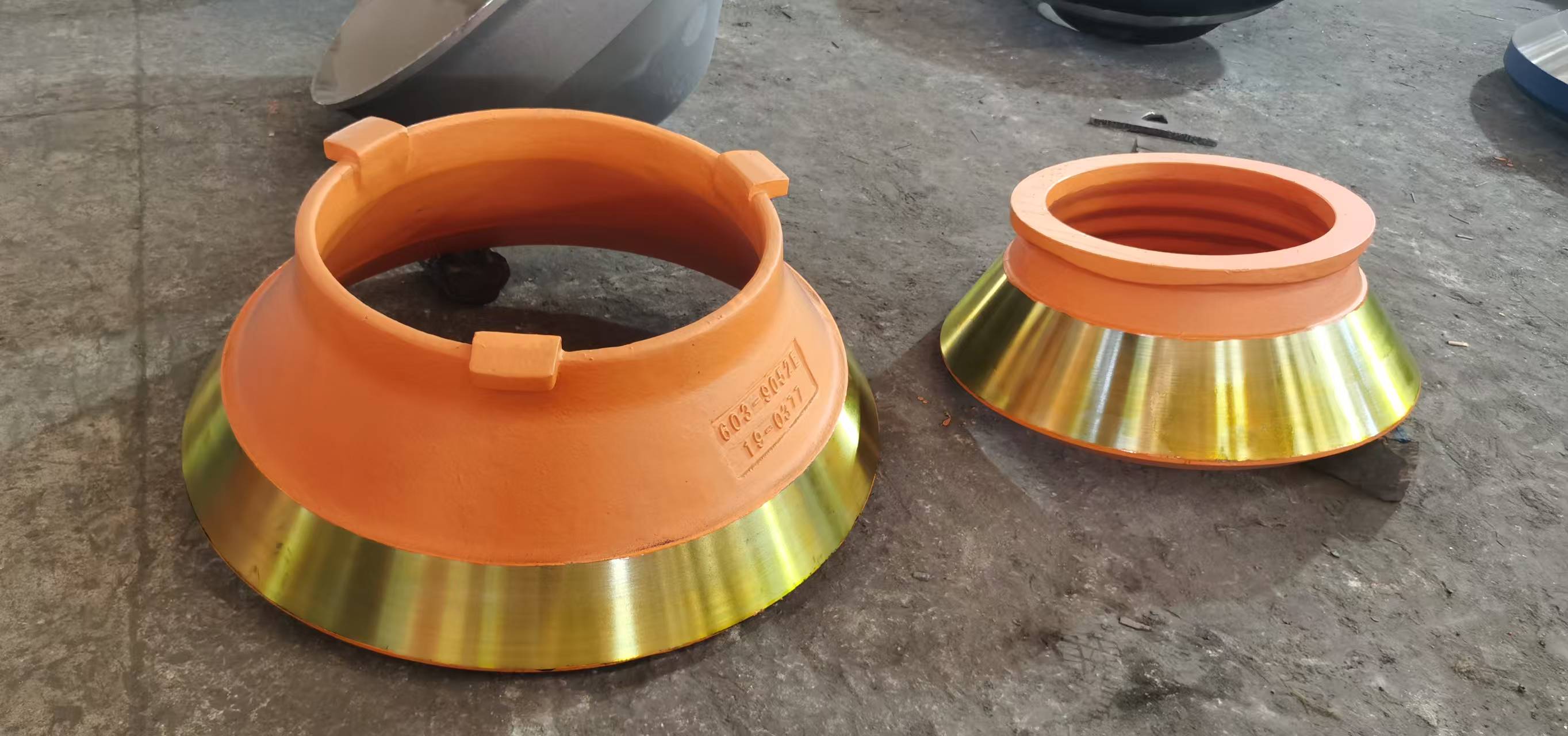
Cone crusher liners play a critical role in crushing efficiency, equipment stability, and operating costs. During continuous crushing, liners are exposed to repeated impact, compression, and abrasive wear. Selecting the right material and maintaining consistent manufacturing quality can help extend service life, reduce unplanned downtime, and improve overall crushing performance.
Haitian Casting specializes in wear-resistant castings and supplies cone crusher wear parts for mining, quarrying, and aggregate production applications. Through appropriate material selection, controlled casting processes, and application-specific product matching, we help customers find suitable liner solutions for demanding crushing conditions.
1. Why Do Cone Crusher Liners Wear Out Prematurely?
Cone crusher liners gradually wear as ore moves through the crushing chamber and is compressed between the mantle and bowl liner. However, service life varies considerably depending on the material being processed, equipment settings, and operating conditions.
Several factors can contribute to premature wear:
High ore abrasiveness: Hard minerals and abrasive rock can accelerate material loss from the liner surface, shortening replacement intervals.
Incorrect material selection: A liner material that does not match the ore characteristics and crushing conditions may wear too quickly or fail to provide the required balance between hardness and toughness.
Unstable operating conditions: Uneven feeding, excessive or inconsistent feed sizes, and unsuitable crusher settings can cause uneven liner wear and reduce crushing efficiency.
Manufacturing defects: Internal shrinkage, porosity, cracks, or inconsistent material properties may affect liner integrity and reliability.
Identifying the main causes of wear is the first step toward improving liner performance. Rather than focusing only on material hardness, operators should consider the complete combination of ore properties, crusher configuration, and production requirements.
2. Material Selection: Matching the Liner to the Crushing Conditions
Material selection is one of the most important factors affecting cone crusher liner service life. Different materials offer different combinations of wear resistance, toughness, and work-hardening characteristics.
High manganese steel is commonly used for cone crusher mantles and bowl liners. Grades such as Mn13Cr2, Mn18Cr2, and Mn21Cr2 may be considered depending on the equipment design and application requirements. Under suitable impact and compression conditions, manganese steel can work-harden during operation while retaining toughness.
However, no single grade is suitable for every application. The selection should take into account ore hardness, abrasiveness, feed size, crusher model, and operating parameters. A material that performs well in one quarry may not deliver the same service life under different conditions.
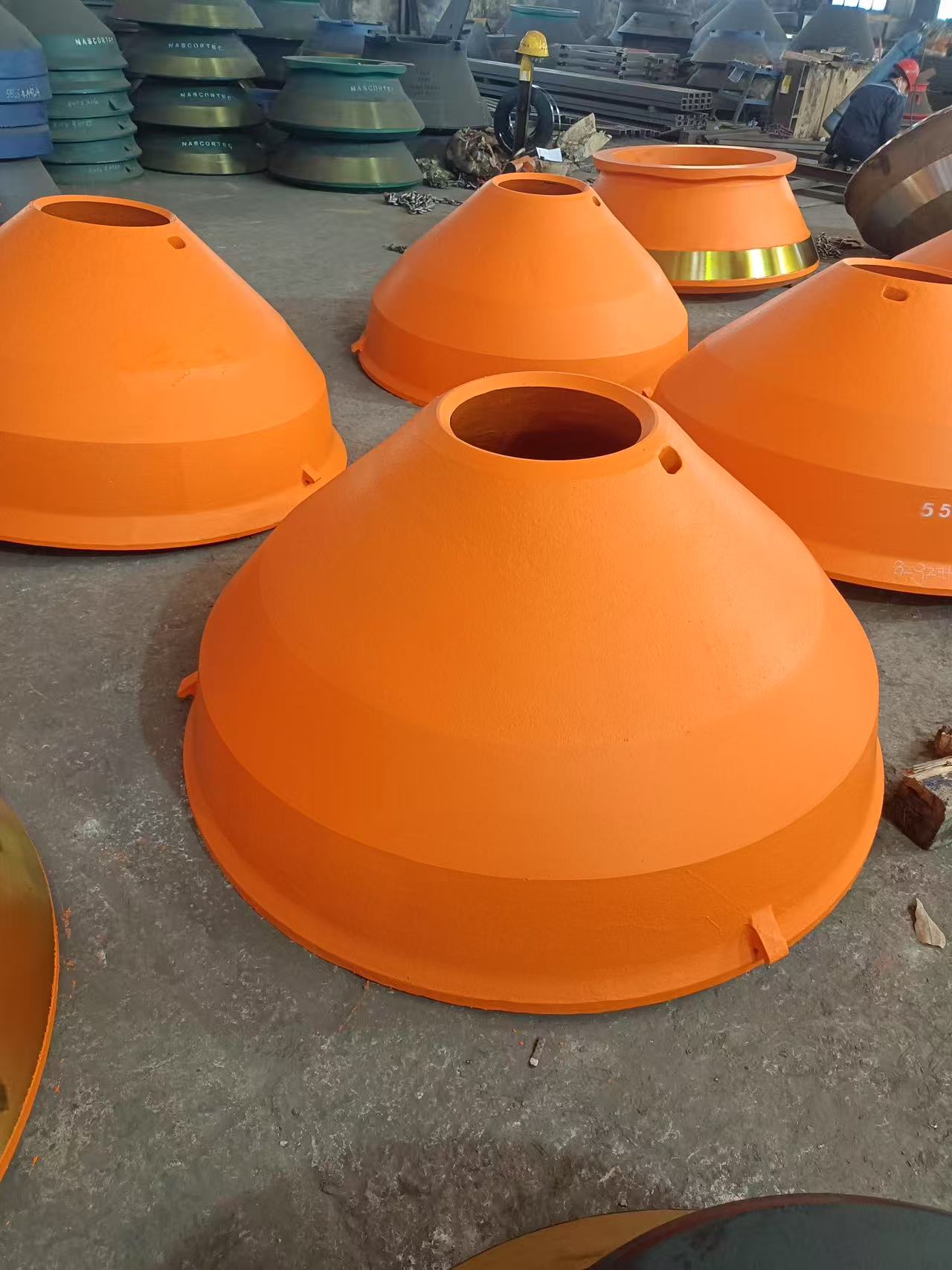
For more information about product specifications and available material options, explore Haitian Casting's cone crusher bowl liner solutions. The final material selection should always be based on the crusher model and actual operating conditions rather than material grade alone.
3. Casting Quality and Manufacturing Control
Even a suitable material may not deliver consistent performance if the casting process is poorly controlled. Manufacturing quality directly affects the liner's structural integrity, dimensional accuracy, and ability to withstand demanding crushing conditions.
Key considerations include:
Chemical composition control: Maintaining the specified chemical composition helps achieve the intended material properties and consistency between production batches.
Casting process control: Appropriate molding, pouring, and solidification procedures help reduce the risk of internal defects and support consistent casting quality.
Heat treatment: For applicable manganese steel grades, properly controlled heat treatment is important for developing the required mechanical properties and supporting wear performance.
Inspection and dimensional verification: Inspections help identify potential defects and confirm that components meet the required specifications before delivery.
For replacement parts, dimensional compatibility is also essential. A liner must fit the relevant crusher model and assembly correctly. Differences in geometry or installation requirements can affect contact conditions, wear distribution, and equipment operation.
For a broader overview of component functions, material options, and replacement considerations, read our guide to cone crusher parts, materials, and replacement tips.
4. Operating Conditions and Maintenance Also Matter
Extending liner service life requires more than choosing the right material. Operating practices and maintenance routines also influence how evenly the liner wears and how effectively the crushing chamber performs.
Maintain consistent feeding. Uneven feeding can lead to irregular loading and uneven wear. A stable feed distribution helps the crushing chamber operate more consistently.
Monitor feed size. Feed material should remain within the equipment's specified operating range. Oversized or unsuitable feed can affect crushing performance and place additional stress on components.
Track liner wear. Regularly recording liner condition, operating hours, processed tonnage, and product size helps operators identify wear patterns and estimate replacement timing.
Check crusher settings. Changes in the closed-side setting and other operating parameters can affect product size, crushing performance, and liner wear. Adjustments should follow the equipment manufacturer's recommendations.
Plan replacement in advance. Waiting until a liner reaches a critical condition can increase the risk of production interruptions and secondary equipment problems. Wear records can help maintenance teams plan replacement work more effectively.
Haitian Casting also supplies a wider range of mining wear parts, with product selection and customization support based on equipment requirements and operating conditions.
5. How to Evaluate Cone Crusher Liner Service Life
Liner service life should be evaluated in the context of actual production rather than operating hours alone. Two liners may run for similar periods but process different quantities of material or operate under different ore conditions.
Useful performance indicators include:
Operating hours: How long the liner remains in service before reaching the replacement limit.
Tonnage processed: The quantity of material crushed during the liner's service period.
Wear distribution: Whether wear occurs evenly across the liner or is concentrated in specific areas.
Product size and quality: Whether the liner maintains the required crushing performance as wear progresses.
Maintenance and downtime: How frequently liner changes are required and how much production time they consume.
Comparing these indicators across replacement cycles can help operators determine whether a change in material, liner design, or operating practice has improved performance. Where possible, comparisons should be made under similar feed and operating conditions to avoid misleading conclusions.
6. Choosing the Right Cone Crusher Liner for Long-Term Performance
Extending cone crusher liner service life requires a coordinated approach that combines material selection, manufacturing quality, correct installation, and consistent operation. Focusing on just one factor may not resolve the underlying cause of premature wear.
When selecting replacement liners, provide the equipment brand and model, ore type, feed size, target product size, and available records of current liner performance. These details help narrow down suitable liner specifications and material options.
Haitian Casting provides cone crusher wear parts for mining, quarrying, and aggregate production applications. By considering equipment requirements and operating conditions, customers can make more informed decisions about replacement liners and work toward more reliable crushing operations.
Visit the Haitian Casting website to learn more about our wear-resistant casting products and solutions.

 Tik Tok


